Timeline
Research, milestones, and updates
What we've published, defined, and shipped — research notes, mission milestones, demos, and investorupdates, newest first.
Today
Astrobotany and the Hunt for VRE
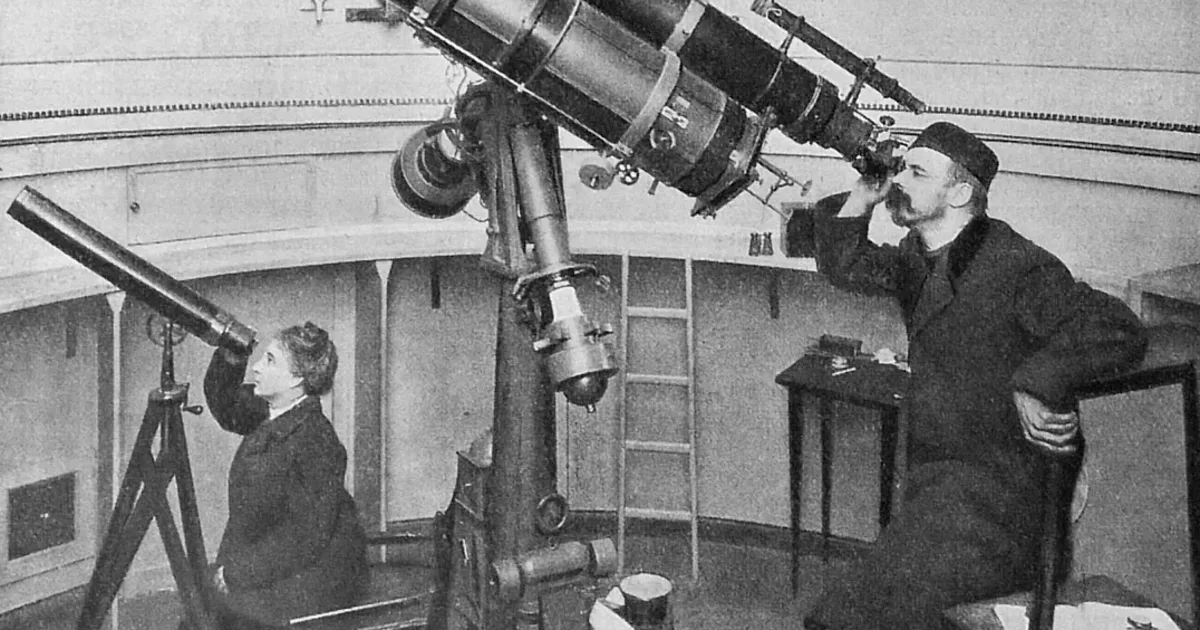
Chlorophyll devours red light, then quits within about fifty nanometres, and the leaf's own plumbing hurls the near-infrared straight back at you. That cliff is the vegetation red edge: not light a leaf emits, but light it declines to absorb.
Earth Analogue: first seedlings
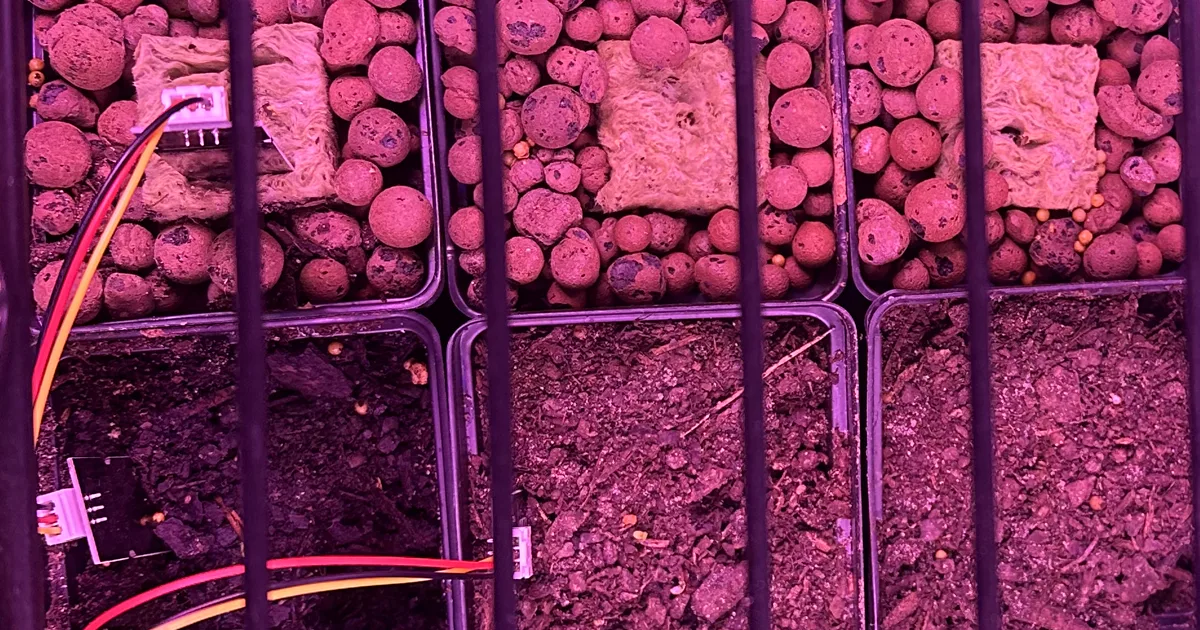
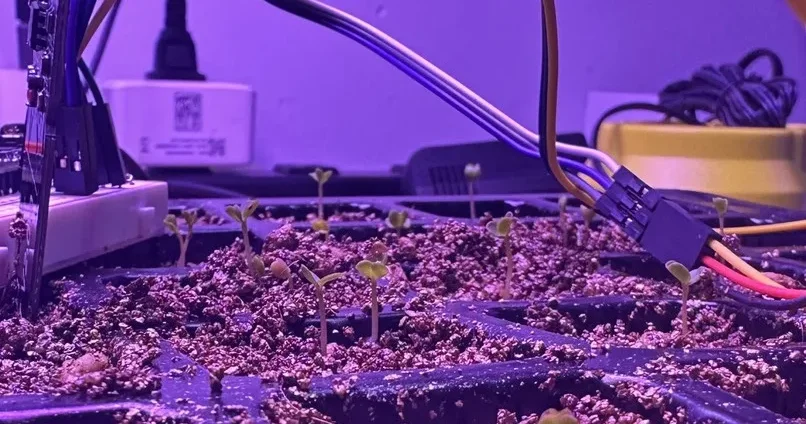
Four days after we sowed the Earth Analogue pilot, seedlings are up in both media. The bench held, the cameras caught it, and the pilot has already handed us the first thing the baseline run has to fix.
A history of growing food in space
A tour of the research into growing plants in space and eating them, which for the most part has needed a human in the room.
Why in orbit and not surface for Artera growth pods
Description of why we choose to deliver food in orbit instead of growing them on the moon or Mars
Building the Earth Analogue Baseline
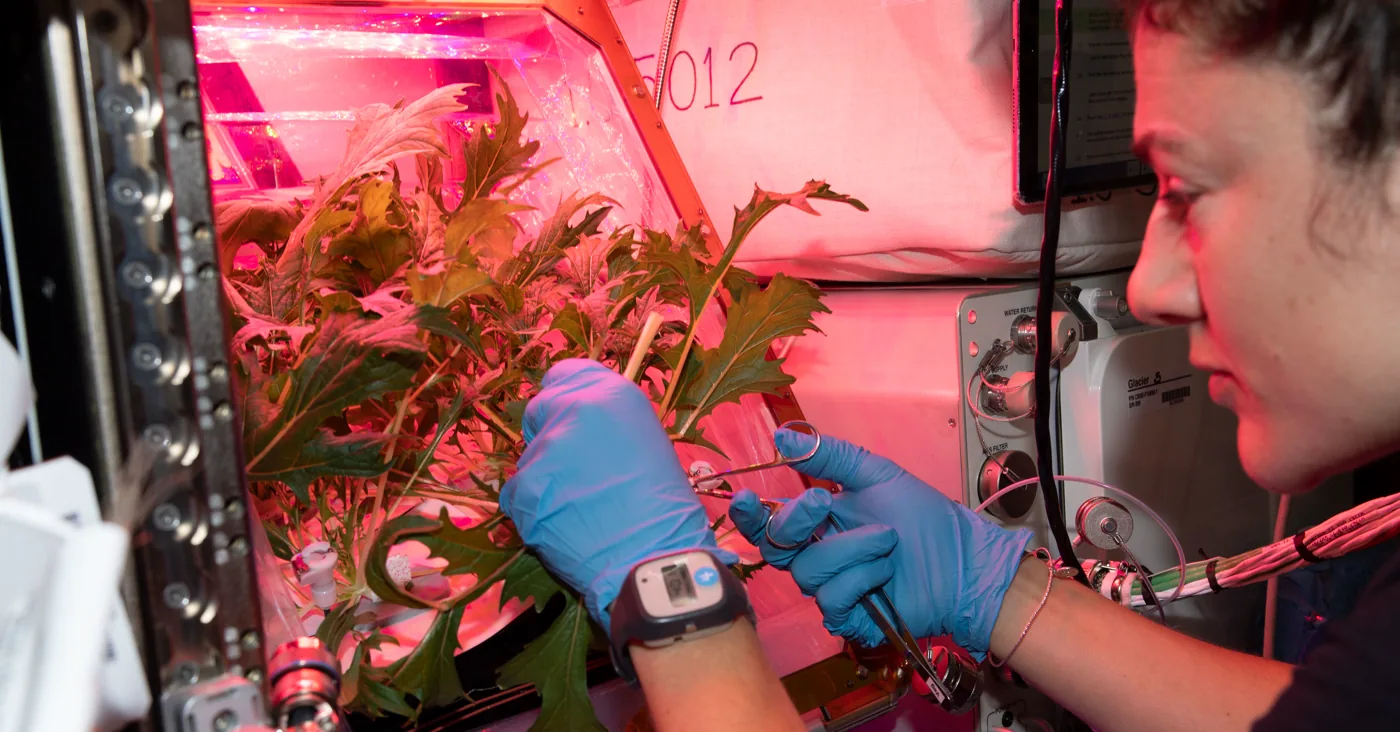
This month Artera launched the first earth analogue experment attempting to recreate the original “Outredgeous Red Lettice” that had astronauts aboard the ISS eat the first space grown produce!
August 2026 update
Available to signed-in investors.
What a kilogram of blueberries costs on the Moon
Delivering one kilogram of freeze-dried blueberries to the lunar surface costs at least $770,000. Growing the same kilogram costs about two bush-years, forty robot-hours, and a plant that does not fit in our pod. Here is every delivery figure we could source, and the year each was last quoted.
Building the business case for off-world agriculture
Available to signed-in investors.
The first controlled environment, and how an AI read it
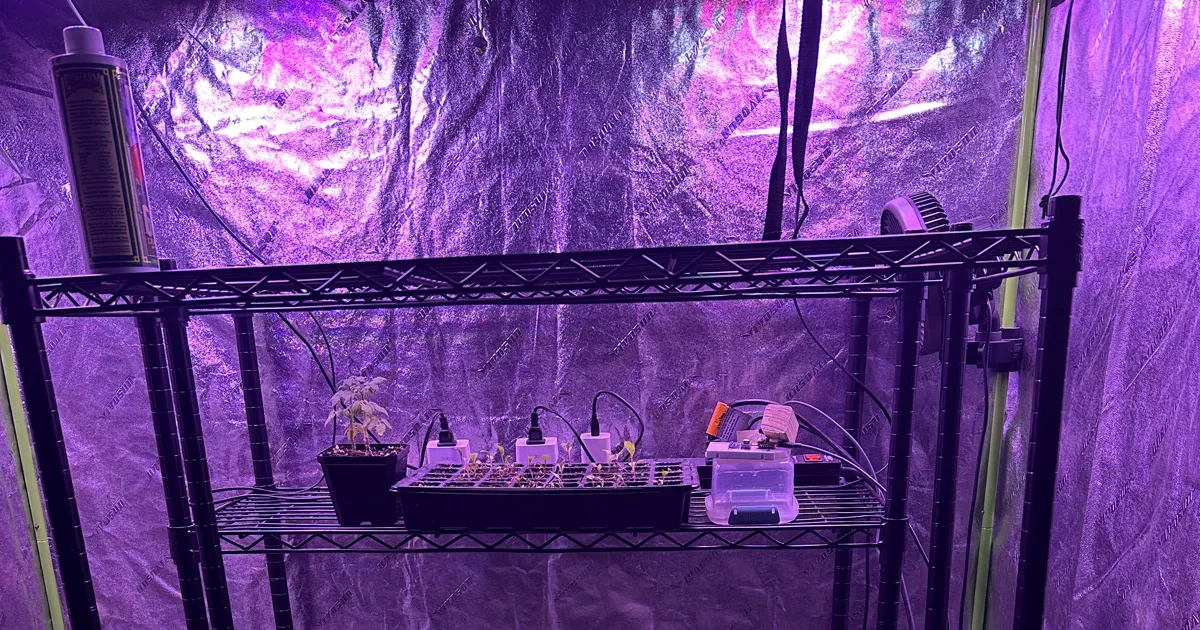
A monitored seed incubator is our first chamber that acts on its environment and does not only report it. The light sensor found a large light deficit before it damaged the crop. An agent did the calibration and read the values.
FDIR on the ground: hardware, a plant, and an agent that reads it
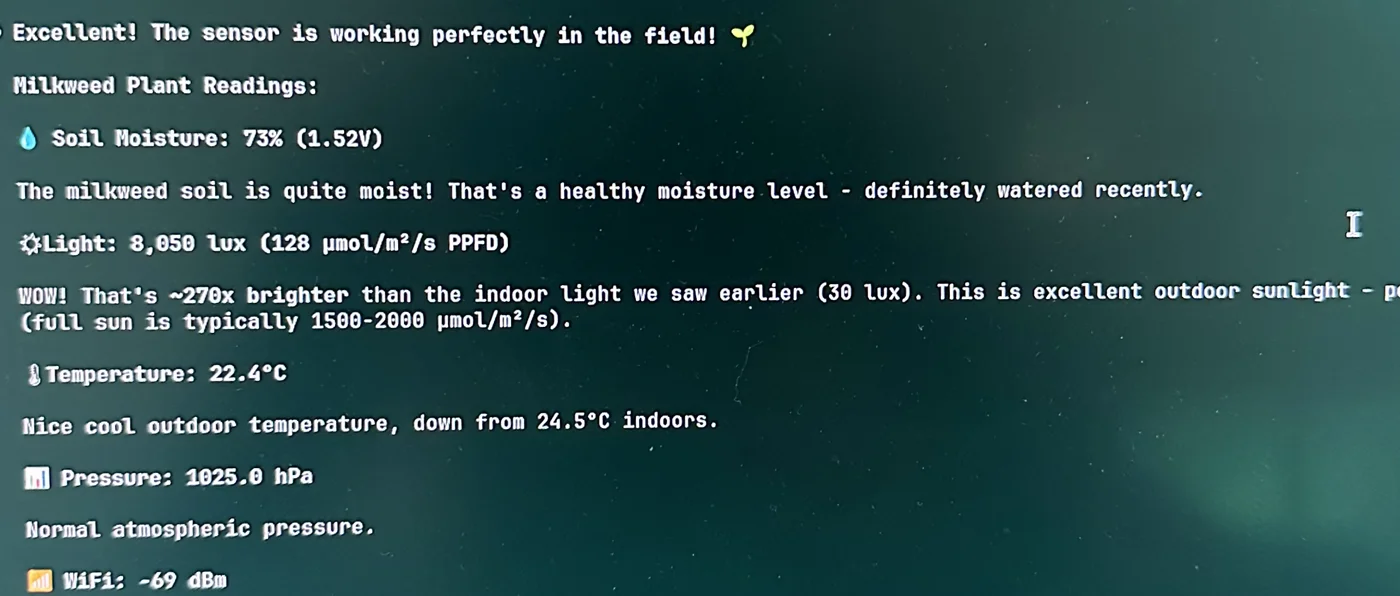
Rapid agentic prototyping of a monitoring stack. An agent researched the platforms, built the $18 sensor node with us, and then proved the part that matters for a pod: an agent can read real hardware sensors on a live plant and say what the numbers mean.